A brand of the Aebi Schmidt Group

Steel vs. Aluminum: Which Truck Beds Are Better?

Truck owners who need a new truck bed typically must choose between steel and aluminum. Steel has been the traditional choice, but aluminum truck beds have been gaining popularity since they entered the market in 2000. The best type of truck bed is currently an issue of debate among truck owners, with cost, strength, weight and maintenance being the most important factors. However, after comparing all the factors, Aluminum beds seem to be the better choice for truck owners and the direction most truck beds will take in the future.

Overview

An aluminum truck bed is generally more expensive than a steel truck bed, although aluminum beds have tremendous benefits. Steel is generally strong enough but only with the burden of heavy weight. Aluminum is less subject to corrosion and therefore requires less maintenance, especially in salty environments. However, all truck beds benefit from regular cleaning to prevent corrosion due to long-term exposure to salts.

According to DuramagTruckBodies.com, Aluminum truck bodies provide the following benefits over steel truck bodies:

  • Less annual maintenance – No rust
  • Lighter body so better fuel economy
  • Higher truck resale value. Rusty steel truck bodies actually reduce resale value
  • Aluminum truck bodies almost always carry longer warranties

In addition to cost savings, there are other benefits of Aluminum vs. steel. Aluminum produces fewer greenhouse gases than other metals, making it more ‘Green’ than steel.

RACKNOW

Strength

Steel vs. Aluminum: Which Truck Beds Are Better? Pure aluminum generally has one-third of both the weight and strength of steel. However, aluminum truck beds are made from aluminum alloys that are significantly stronger than pure aluminum. These alloys are still more than 95 percent aluminum, with metals such as chromium, copper, titanium and zinc comprising most of the remaining five percent. Other metals are also present in small amounts to further tailor an aluminum truck bed’s characteristics.”By adding elements like silicon, magnesium and lithium to pure aluminum and through special processing techniques, aluminum can be engineered to be as strong if not stronger than some steel.” (Aluminum.org) The overall strength of an aluminum bed is generally comparable to that of steel.

According to Aluminum.org, “Aluminum is used by the U.S. military, NASA and others to build vehicles and structures capable of thriving in some of the harshest conditions imaginable.” Furthermore, the U.S. Air Force has relied on the strength of Aluminum – over wood, steel, wire and others – for their military aircrafts. In fact, the airframe for the famed fighter jet – the F-16 – is 80% aluminum.”


Duramag Aluminum Body Destruction Test

Weight

Steel vs. Aluminum: Which Truck Beds Are Better? An aluminum truck bed typically weighs up to 40% less than a steel bed of the same strength. A steel truck bed weighing 2,000 pounds can therefore be replaced by an aluminum truck bed that’s up to 800 pounds lighter. This difference can then be added onto the truck’s payload capacity. “Every pound that you don’t carry around in a truck body or truck bed is a pound you can increase your payload by. Increased payload translates to significant savings: fewer trips to deliver the same amount of product, more on-time deliveries with the same fleet, fewer labor hours, less wear/tear, depreciation of the fleet.” (DuramagTruckBodies.com)

The lower weight of an aluminum truck bed also provides other advantages, such as increased gas mileage. Truck owners who have used both types of truck beds consistently report that an aluminum truck bed provides a smoother ride than a steel bed. Some owners even say that a loaded truck with an aluminum bed gives a smoother ride than a steel bed that’s empty. “If you can use technology and materials to take weight out of the vehicle, you’ll always end up with the best solution,” says Pete Reyes, chief engineer for the 2015 Ford F-150 (Forbes.com).

Corrosion

Steel vs. Aluminum: Which Truck Beds Are Better? All steel alloys contain large amounts of iron, making plain steel highly vulnerable to rust. Manufacturers typically protect steel beds with various galvanizing and galvannealing processes, which generally involve coating the steel with a layer of zinc known as a galvanic layer. Zinc doesn’t rust, but the protection only lasts until the galvanic layer is breached. Some manufacturers also add protective layers of other material such as paint. Regardless of the number of protective layers it has, truck beds are constantly exposed to the abrasive effects of weather and cargo. It’s therefore only a matter of time before the steel is exposed.

Galvanizing and galvannealing are also expensive processes, which can erode the cost savings of a steel bed. The floor is often the only part of a steel truck bed that receives a galvanic layer, meaning that the frame is exposed to the elements. Even with this protective layer, steel beds still don’t resist rust as well as an aluminum bed.

Maintenance

Steel vs. Aluminum: Which Truck Beds Are Better? Aluminum beds generally require little maintenance, with lubrication of hinges and latches being the most significant issue. Steel beds require much more maintenance, which primarily involve the prevention of rust. Truck owners must regularly inspect a steel truck bed for bare steel. Scratches in the paint and galvanic layer must be touched up quickly before the exposed steel begins to rust. Steel truck beds that are galvanized or galvannealed don’t need to be inspected as frequently as plain steel beds.

Galvanized steel beds are more expensive to repair than plain beds. The galvanic layer must be removed before the underlying steel can be welded. Attachment hardware such as screws and rivets also damage the galvanic layer. Repair areas must then be properly finished with a galvanic layer after each repair. The required removal and reapplication of the galvanic layer comprises a significant portion of the repair process for galvanized steel beds.

Today, with the high use of aluminum in pickups and cars, body shops everywhere are equipped to weld aluminum. When it comes to cutting out a damaged component, aluminum is significantly easier to cut. Additionally, steel will have paint on it that has to be removed prior to welding.

Summary

“Aluminum always is more expensive than steel on a per-pound basis, but a couple of things we’ve come to understand are: Very few vehicles every year actually need heavy repair, but even when it comes to replacing panels, the fact that you can just grind out the rivets and not have disturbance to the base metal and just pop in a new panel, we’ve been told, that’s pretty simple and elegant.” (Forbes.com)

Over the past several years, there has been a significant shift away from heavy steel to strong, lightweight aluminum in many facets of the truck industry. This is a transition that’s taken place over the past 10+ years in the aluminum trailer business and one that we’re watching play out with Ford Trucks and in the truck equipment industry with many truck equipment manufacturers. (www.duramagtruckbodies.com)

The Ford Raptor Vs. The Toyota Tundra Rock Warrior

Pickup truck buyers in 2017 who are looking for a full-size off-road truck often still consider the Ford SVT Raptor and Toyota Tundra Rock Warrior. Although both these truck models are discontinued as of 2014, they are still favorites among pickup truck enthusiasts in 2017. Both trucks are relatively similar in terms of general specifications, although they also have some significant differences. Areas in which you’ll want to compare the Ford SVT Raptor and Toyota’s Rock Warrior models include the power train, off-road capability, towing performance and body style.

toyota-vs-ford

Overview of the SVT Ford Raptor

The SVT Ford Raptor is a variation of the twelfth-generation Ford F-150, which is a light-duty pickup truck in production from the 2009 to 2014 model years. The Raptor was specifically intended for off-road use. Pricing for the base model was approximately $42,000 in 2010. Truck enthusiasts went crazy over the Raptors’ ability to effortlessly maneuver unruly terrain and its major upgrades in horsepower over previous Ford truck models.

Additional features of the SVT Ford Raptor to mention are the suspension that got an overhaul, adding about 3 inches. According to CarStory.com, “you’ll also get an upgraded differential to handle the torture of the backcountry. When you evolve the base F-150 into the SVT Raptor, it gains skid plates, body panel molding, modified hood (with optional graphics), sports exhaust, and the bragging rights with Raptor badges visible from every angle.”

The SVT Raptor is considered “the most off-road worthy version” of the Ford F-150 to date. According to TFLtruck, “It can tow 8000 pounds, seat 5 comfortably, haul all of your stuff and still race across the desert at over 100 MPH is perfect air-conditioned comfort.”

RACKTEN

See TFLtruck’s test of the 2014 Ford F-150 SVT Raptor in the Colorado Rockies:

Overview of the Toyota TRD Rock Warrior Package

In 2009, Toyota introduced their version of an off-road themed option package in their pickup truck line, called the TRD Rock Warrior. The Toyota Tundra had been in production since 1999 prior to the release of the Rock Warrior model, with the second generation of Tundra’s debuting in 2007. The base price for the 2009 Toyota Tundra Rock Warrior was about $37,000.

This off-road package was available on the 4×4 Tundra pickup’s with either the Double Cab or the CrewMax cab. According to Toyota, some of the features included in the Rock Warrior package were “17” TRD forged aluminum wheels, LT285/70R-17 BF Goodrich All-Terrian T/A tires, Bilstein shocks, color matched front bumper and grille, matte-black rear bumper, and fog lights.” (www.toyota.com)

Power Train

The standard engine for the 2009 and 2010 Raptor was a 5.4-liter (L) V8 engine generating 310 horsepower (hp) and 365 pound-feet (lb-ft) of torque. A 6.2-L V8 was also available as an option, which generated 411 hp and 434 lb-ft of torque. The 6.2-L engine was the only engine choice for the 2011 to 2014 models.

In contrast, the only engine available for all models of the Rock Warrior is a 5.7-L V8 generating 381 hp and 401 lb-ft of torque. When considering the differences in power between these two trucks, it’s important to consider the type of driving you’ll be doing. According to CarStory.com, “…if off-roading is the sole mission of the truck you’re looking to buy, the Ford F-150 SVT Raptor is a no-brainer… If all you plan to do is city-driving, but you want the off-road badass look, the Tundra may be for you… Get ready to switch the A/C to ‘recirculate’ mode, because if you race a Raptor in a Tundra TRD, all you’ll be doing is breathing the dust and fumes from the Raptor as it takes the lead.”

The Ford Raptor Vs. The Toyota Tundra Rock Warrior
Toyota TRD Rock Warrior Package

Off-roading

The standard transmission for the Raptor is a six-speed automatic. The suspension system includes Fox Racing Shox shocks with external reservoirs that provide a total of 11 inches of travel in the front and 12 inches in the rear. The gear ratio on the locking differential is 4.1:1, which was originally an open differential. However, a limited slip differential was introduced for the 2012 model year. The Raptor also has an off-road driving mode that disables the anti-lock braking system, roll stability control and traction control. This driving mode also provides a more linear curve for power and torque during conditions with low traction.

A six-speed automatic transmission is also standard for the Toyota Tundra, which allows the torque converter to be locked in fifth and sixth years. The 5.7-L engine also has a manual shift mode. Additional driving features of the Rock Warrior include anti-lock brakes, limited-slip differential, stability control and traction control, according to Toyota.com. The Rock Warrior model also includes an integrated backup camera display included in either the rear view mirror or available Display Navigation and has a center-console gated shift lever.

The Ford Raptor Vs. The Toyota Tundra Rock Warrior
Ford Raptor / www.Ford.com

Towing

The maximum towing capacity of the Raptor is 8,000 lbs. for the SuperCrew cab, which also has a 1,770-lb. Payload. Additional towing features of the raptor include a special steering wheel and pre-wired pass-through leads that allow trailer lights to be easily connected to the Raptor’s electrical system.

Towing is where the Toyota Tundra surpasses the Raptor. A tow package option is available for the Rock Warrior, which increases its maximum towing capacity to 10,400 lbs. with a payload of over 2,000 lbs. The transmission and rear-axle ratio on the Rock Warrior are also optimized for towing.

CarStory.com’s blog asks, “but will you really be towing your wakeboarding boat as you climb the tallest mountains in Colorado? Ford takes the design award hands down for the intimidating exterior of the Raptor. C’mon Toyota! To compete with the Raptor the TRD needs to look mean, and convince me it means business on the first impression.”

The Ford Raptor Vs. The Toyota Tundra Rock Warrior
TRD Rock Warrior Package

Body Style

The body style of the Raptor is noticeably different from that of the standard F-150 SuperCrew cab, especially in front of the A pillar. The hood and fenders are different, and the blue oval badge is missing from the front grille. The Raptor is also two inches taller and seven inches wider than the standard SuperCrew cab, so it requires a custom bed.

The Rock Warrior package is only available on a 4×4 Tundra with a CrewMax or Double cab. This option package also includes 17-inch aluminum wheels, and the Double models have a sliding rear window on the cab. Other features of the Rock Warrior include 17-in. split 6-spoke, gunmetal-color-finished, TRD Rock Warrior forged alloy wheels with LT285/70R17 BFGoodrich® All-Terrain T/A tires, a Bilstein® fuel tank and color-keyed front bumper and grille surround. (Toyota.com)

The Ford Raptor Vs. The Toyota Tundra Rock Warrior
Ford Raptor / www.Ford.com

Summary

The performance aspects of the Rock Warrior have remained largely unchanged since its debut, especially the engine and suspension. The ride is therefore noticeably choppy compared to the Raptor. The interior of the Rock Warrior is also unrefined due to the lack of modern features found in the Raptor. However, the towing capacity of a properly configured Rock Warrior significantly exceeds that of the Raptor. One of the most common complaints about Toyota’s Rock Warrior was that the package was “mostly cosmetic” and didn’t offer a lot of meaningful upgrades for Toyota truck drivers.

Regardless of which of these models you decide to go with for your next off-road worthy pickup truck, we can help you outfit your truck with the ultimate accessories.

How do I know if my tires will pass inspection?

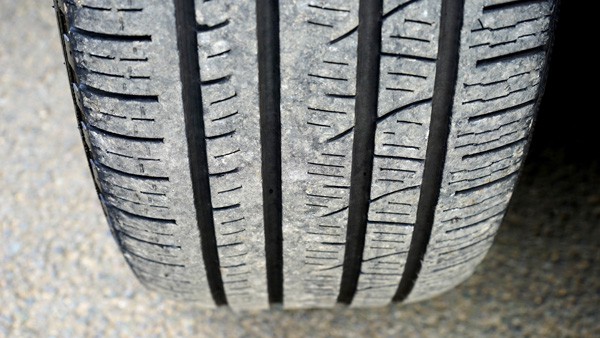
The depth of a tire’s tread is one of the most obvious indications of its performance. Tread depth is also a safety issue and therefore subject to government regulation and inspection. It’s especially important to inspect your truck’s tires when they wear down. Several methods of inspecting tires are available, ranging from the highly scientific to the very casual.

A tire’s tread helps it to maintain traction with the road, especially in wet or icy conditions. The specific pattern of the tread determines the conditions for which the tire is best suited. For example, the treads on rain tires are generally V-shaped, allowing them to quickly channel water away from the tire’s driving surface. In comparison, snow tires have unusually deep treads that allow them to dig into snow and other soft surfaces more deeply. The rubber on the tire’s driving surface wears off with use, which reduces tread depth over time. Snow tires wear out more quickly because they’re made of a softer rubber that makes greater contact with the road. Understanding the specific type of tires on your truck will ensure you’re able to properly care for them throughout the year.

10% off headache racks

Inspection

Tread depth may be measured in sixteenths of an inch, with 5/16 inches being a common depth for a new, all-season tire. Tires are generally unsuitable for snow and rain when their tread depth is less than 3/16 inch, due to the greater traction these conditions require. A deeper tread is needed in snow to maintain maneuverability and control. Wet surfaces also require a greater tread depth to avoid hydroplaning, a condition that prevents tires from getting any traction all.

Tires shouldn’t be used under any conditions once the tread depth reaches 1/16 inch and should be replaced immediately. Most states also require tires to have a tread depth of at least 1/16 inch before they can pass inspection. Inspectors measure the tread depth on truck tires at about 15-inch intervals and usually measure more than one tread.

The tires on all vehicles generally must be inspected by the state once per year, although commercial trucks have more stringent requirements. You should also inspect your own tires when they reach their maximum recommended mileage or if you’re buying used tires. Used tires should have more than 1/16 inch of tread to ensure that you get some use out of them.

Tread Bars

How do I know if my tires will pass inspection? Tire manufacturing in the United States is regulated by the Federal Motor Vehicle Safety Standards (FMVSS). It requires all commercial tires to have wear bars, also known as wear indicators or tread bars. Most tires have at least six wear bars, although tires with a rim diameter of 12 inches or less may have as few as three wear bars. Wear bars are a series of raised features in the bottom of the tire tread which create a specific pattern in the molding of the tire. They typically have a height equal to the minimum tread depth allowed for the tire, typically 1/16 inch. The wear bars discolor the tire when they come into contact with the road surface, providing the vehicle owner with a visual cue that the tire has reached its minimum tread depth. A tire that shows this discoloration should be replaced before the next inspection, since it probably won’t pass.

Tread Gauges

A tread depth gauge provides the most accurate method for measuring tread depth. These devices are readily available in automotive stores and other retail outlets. Tread gauges are typically accurate to the nearest 1/32 inch, and modern versions have a digital display to eliminate human error from the measurement. Truck tires are considered legally worn out when they have worn down to 2/32″ of remaining tread depth, according to RightTurn. Tire dealerships are able to measure the tread depth on your tires with a gauge, usually as part of a general tire inspection.

Cracking

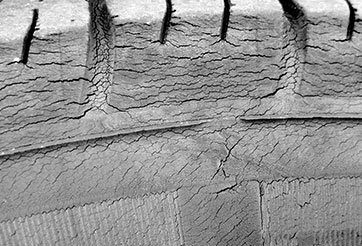
How do I know if my tires will pass inspection? Tire cracking is generally the result of tire age, although there are several other causes that may also result in the premature cracking of your truck tires. Unbeknownst to most people, tires that are not in use will also crack overtime, due to the fact that “electric motors can create ozone that degrades the rubber in tires” (RightTurn). Typically, tire cracking occurs on the sidewall of the tire, as opposed to other areas of the tire. Factors such as excessive heat, exceeding a tire’s load limit and the improper use of cleaning chemicals may also crack your truck’s tires. Ensure you’re using the best type of tire cleaner for your tires by consulting an expert at a tire dealership.

Tire Sidewalls

Examining a tire’s treads and sidewalls will ensure you’re aware of any warning signs that your tires need to be replaced, such as cracking and excessive wear. The sidewall of a tire supports the weight of the vehicle and helps absorb shock from bumps in the road, according to RightTurn. Underinflated tires are among the most common factors that result in damage to a tire’s sidewall. “Air inside the tire holds the sidewall securely against the rim. The sidewall is layered with sturdy rubber in order to hold its form and keep air inside the tire.” (RightTurn)

Tire Rotation

To ensure your tires are being properly maintained, it’s important to have your vehicle’s tires rotated every 5,000-6,000 miles. An easy way to remember to have your tires rotated is to request a rotation every other time you receive an oil change (which is typically 3,000 miles). Some newer vehicles require less oil changes, so it’s important to note that if your tires have more than 6,000 miles on them in between oil changes, you’ll need to schedule a separate tire rotation to ensure tire safety.

Tire rotation is necessary as your vehicle’s front and back tires are generally used for different things; your front tires are responsible for steering the vehicle, while back tires are generally more stationary in terms of lateral movement. Therefore, rotating your tires ensures the wear of all the tires on a vehicle will remain relatively consistent. Schedule an appointment with a truck dealership or certified auto mechanic to rotate your tires.

The Penny Method

How do I know if my tires will pass inspection? Vehicle owners traditionally used a penny, or a quarter, to estimate tread depth, although this method is less common today. To try this method yourself, insert a penny into a tire’s tread so that Lincoln’s head goes into the tread first. Ensure the edge of the penny is touching the bottom of the tread, rather than a tread bar. The distance from the edge of a penny to Lincoln’s head is about 1/16 inch, so you need to replace your tires if you can see the top of Lincoln’s head. To test additional areas around the tire, examine both the inner and outer grooves of the tire in areas at least 15 inches apart. This will help you detect whether there are any strange wear patterns throughout the tire, which may be the result of a mechanical issue.

In Summary

Properly maintaining your vehicle’s tires is key to the lifespan of the tire, as well as a driver’s safety. Trying the penny test is one simple way to check tire tread. By consistently rotating tires every 5,000-6,000 miles, and keeping an eye on tire cracking, you will also extend the life of your tires. Consult a tire dealer with any specific questions related to tire maintenance or issues.

10 Tips for Detailing Your Truck Wheels Like a Pro

If you love your truck with headache racks as much as we love ours, chances are you take pride in it looking it’s best. After spending a small fortune on wheels and rims, it’s important to properly care for them so they’re able to look brand new for as long as possible. To help you get started, we’ve outlined 10 tips below on how to detail your truck wheels like an expert:

1. Start with the Basics and Understand the Material You’re Cleaning: Chrome, Steel or Aluminum

First, it helps to know what you’re cleaning and polishing.

  • Chrome is a very soft metal. It’s used to coat other metals because of its beautiful finish… but it just (doesn’t) hold up well. Because chrome is relatively soft, it responds very well to polishing. Your elbow grease will be rewarded with incredibly shiny, reflective chrome wheels (or exhaust tips, trim, and any other chrome surface).
  • Steel rims are the most basic form of rim available. They are typically coated black, covered by a hubcap, strong and cheap compared to other alternatives.
  • The most popular rim used today is Aluminum Alloy due to its versatility. It’s much lighter than steel, aesthetically pleasing and better performing.

-via autogeek.net

2. Next, Understand the Finish on Your Wheels

If you’re a truck enthusiast, there are a slew of finishes you may have chosen from for your wheels, to achieve the exact look you want for your pickup truck. Understanding what finish is on your wheel, and how they were made can play a part in how you maintain them. For example, SOTA Offroad wheels come in several options, including:

  1. A semi-gloss black painted wheel that’s clear coated in a semi-gloss clear automotive paint to lock in the machining and prevent the aluminum from oxidizing
  2. A gloss-black finish that’s clear coated in high-gloss clear automotive paint to lock in the machining and prevent the aluminum from oxidizing or
  3. A chrome-like finish wheel, created through “Physical Vapor Deposition.”

-via sotaoffroad.com

3. Recognize the Grime You’re Cleaning Off Your Wheels

What Is Brake Dust?

Brake dust is a pain for anyone who drives and wants to keep their wheels clean and shiny. Unfortunately, it’s a necessary evil of being able to stop your car. Luckily there are things we can do to get rid of it and help minimize its effects on our wheels.

Brake dust is the result of the brake pads squeezing against the rotor while the car is stopping. When the pad wears down under heat and pressure applied to the rotor small metal filings and other components of the brake pad fly off and stick to your wheel. Overtime these particles rust and corrode potentially damaging your wheels if left on the surface too long. A common result of brake dust corrosion is surface pitting specially on chrome plated rims.

-via incrediblydetailed.com

4. Always Clean the Tire Before the Wheel

Before scrubbing the wheel, I like to start by cleaning the tire. Spray your tire cleaning solution on the wheel and let it dwell for a minute. Then scrub the tire down with your tire brush. You want to make sure to get all the dirt and grim off along with any old tire dressing. Tire dressing bonds better and lasts longer on a clean tire.

-via incrediblydetailed.com

5. Use the Right Products on Your Wheels and Save Yourself Some Serious Time

Once your wheels are clean and dry, apply a quality wheel protectant to seal the wheel surface. These products work just like car wax. Apply them with an applicator pad and then buff the wheel. They keep your wheels looking shiny, and they prevent brake dust adhesion. Your wheels look cleaner longer. You have to reapply these products weekly, but it’s better than scrubbing your wheels every two days. The good news is, if you use a wheel wax as recommended, water is the only thing you need to clean your wheels between waxings.

-via autogeek.net

6. Add Auto Detailing Clay to Your Cleaning Routine

Using a clay bar will remove embedded surface contamination that still remains after a maintenance wash. Sometimes the contamination removed is not always visible on the paint to the naked eye… Not only can you clay your vehicles paint, but glass, wheels, lights and more. Detailing clay is safe on most non-porous surfaces such as auto paint, glass, mirrors, plastics and most metals. Once the contamination is removed your wheels will feel as smooth as glass.

FYI, A common misconception about using a clay bar is that it has an impact on removing swirls and scratches, it does not.

-via detailedimage.com

7. It’s Okay to Play It Safe with the Products You Use

If you just spent a small fortune on new wheels for your service truck, chances are you may be hesitant about using a bunch of harsh chemicals on them. If this is the case, keep it simple and play it safe. According to Fuel Off-road, “keeping your wheels clean will extend the life of your finish. Never clean the wheels when they are hot, and only use mild automotive soap and clean water.”

-via fueloffroad.com

8. Choose your tire dressing carefully

Old-fashioned tire dressings contain silicone, which produces a glossy shine but they turn brown over time. In fact, shiny silicone tire dressings can attract dirt. These dressings deplete the rubber’s plasticizers faster, causing it to age prematurely. Newer formulas, like Pinnacle Black Onyx Tire Gel or Optimum Opti-Bond Tire Gel, are water-based and less shiny, but less shiny is the concours look you want. These dressings create the look of new tires with a semi-gloss sheen that doesn’t turn brown. Pinnacle Black Onyx Tire Gel also nourishes the rubber to recreate the look of new tires. You can often layer water-based dressings to get a glossier shine. Follow the directions on the label carefully. Always apply thin coats and allow drying time before you drive your vehicle. Even the best dressing will sling off if it’s on too thick or it doesn’t have time to dry. Avoid pooling of the dressing around raised letters and white walls.

-via autogeek.net

9. Take Care of the Tools You’re Using

Soak your brushes and wash tools in your wash bucket for several minutes to soften and saturate the bristles. Dry your wheels by hand with a clean microfiber towel. This process will show you the spots you missed when scrubbing and allow you to perfect your technique next time you clean your wheels.

-via incrediblydetailed.com

10. When in Doubt, Leave it to the Experts

There’s no sense in investing in the wheels and tires you’ve wanted for a while, and then seriously damaging them with the wrong cleaning products. If you’re not totally sure how to properly clean your wheels, then leave it to the experts. Depending on the type of wheel you have, you run the risk of turning them cloudy or even brown by using the wrong cleaning products, so it may be worth it to simply make am appointment with an experienced company instead.

Looking for more info on maintaining and detailing your new truck wheels? Check out these videos:

“How to clean/polish dirty rims with years of brake dust” from Dedicated Detailing

“How to clean your wheels the good way” from Lorenzo Hamers

What is E-Diesel and Why Does It Matter?

What is E-Diesel?

E-diesel is the name of synthetic diesel created by Audi. The fuel is created from carbon dioxide, water, and electricity with a process powered by renewable energy sources to create a liquid energy carrier called blue crude, which is then refined to generate e-diesel. (Wikipedia)

Audi says that the carbon dioxide used in the process is currently supplied by a biogas facility but, further adding to the green impacts of the process, some of the CO2 is captured directly from the ambient air, taking the greenhouse gas out of the atmosphere.

Audi e-diesel

Who Makes E-Diesel?

Audi, along with the Dresden energy technology corporation Sunfire. Sunfire is Audi’s project partner and the plant operator.

The CO2 used in the process to make e-diesel is currently supplied by a biogas facility.

In addition, Audi’s Zurich-based partner Climeworks is also involved in the project.

How is E-Diesel Different?

“One great advantage of this new fuel is its purity. It is free of sulfur and aromatic compounds – quite unlike mineral diesel. Its high cetane number means that Audi e-diesel is very combustible and its chemical composition makes it suitable for mixing with fossil diesel in any quantity. It can therefore be used as a ‘drop in’ fuel.

If it catches on and is produced for a mass market, it could make internal combustion engines much cleaner in the future.” (Audi.com)

“Synthetic diesel using CO2 is a huge success,” says Germany’s Federal Minister of Education and Research Johanna Wanka, who showed her support last week by putting the first five liters (1.3 gallons) into her work car, an Audi A8. (National Geographic)

According to newatlas.com, the fuel can be combined with conventional diesel fuel, as is often done with biodiesel fuels already.

Bottom Line:

So stay tuned, maybe one day soon your diesel truck might just be running off of water, air and electricity…

https://www.youtube.com/watch?v=55Edq_Irstk

Cost of Ownership: Gas vs. Diesel Comparison

According to a University of Michigan study, owning a diesel vehicle will save you money. Revealed at the Alternative Clean Transportation Expo, the study’s results proved the following:

  • When comparing the gas version of a vehicle to a diesel version, the average total cost of ownership (TCO) was between $2,000- $5,000 less for diesel owners. Cost savings studied were over a 5-year period.
  • Out of the 12 cars studied, the lowest overall savings amount was $67 and the highest was $15,600.
  • Every diesel vehicle studied showed a fuel savings over the comparable gas model, with the most extreme difference clocking in at a 29% in savings.
  • The diesel models also proved better mileage than their gas counterparts, with an 8-44% higher mpg.
  • The study also showed that 11 of the 12 vehicles held their value higher than the gas model after a 3-year span.

Other Facts to Consider: Gas vs. Diesel Vehicles:

When considering a diesel vehicle, it’s important to keep in mind that they will probably be more expensive upfront than gas versions; this is due to a combination of less diesel vehicles being produced in the U.S. than gas vehicles, as well as our stringent emissions requirements.

2015-ford-superduty Also, according to fool.com, “as a rule of thumb, consumers should keep in mind that breakeven points could change significantly in favor of diesels if you do more highway driving than the excel model (that is, 45% of your miles), or drive significantly more miles overall (15,000).”

Ultimately, the biggest factor that comes into play when trying to decide between whether you should stick with a diesel or a gas vehicle, is how you plan to use it. Will you be towing large loads, or commuting an hour to work each day on the highway? Are you looking for better mpg or more torque?

For additional resources:
Check out Truck Trends article »
Explore CarsDirect’s comparison »
Read Torque News’ opinion on the 2016 Toyota Tacoma Gas Engine vs. Chevy Colorado Diesel – Fuel Costs Comparison »

Bed Rails

How Does a Turbocharger Work?

Chances are, if you’re reading this blog you’re well aware of how to make your truck look badass with one of our headache racks and LED lights. Now that you’ve got the outside of your ride taken care of, it’s time to explore how to achieve some serious power under the hood.

Today, we’re exploring how a turbocharger works, along with some of the benefits.

How a turbocharger works

The basic idea is that the exhaust drives the turbine (the red fan), which is directly connected to (and powers) the compressor (the blue fan), which rams air into the engine. For simplicity, we’re showing only one cylinder. Here then, in summary, is how the whole thing works:

  1. how-turbocharger-worksCool air enters the engine’s air intake and heads toward the compressor.
  2. The compressor fan helps to suck air in.
  3. The compressor squeezes and heats up the incoming air and blows it out again.
  4. Hot, compressed air from the compressor passes through the heat exchanger, which cools it down.
  5. Cooled, compressed air enters the cylinder’s air intake. The extra oxygen helps to burn fuel in the cylinder at a faster rate.
  6. Since the cylinder burns more fuel, it produces energy more quickly and can send more power to the wheels via the piston, shafts, and gears.
  7. Waste gas from the cylinder exits through the exhaust outlet.
  8. The hot exhaust gases blowing past the turbine fan make it rotate at high speed.
  9. The spinning turbine is mounted on the same shaft as the compressor (shown here as a pale orange line). So, as the turbine spins, the compressor spins too.
  10. The exhaust gas leaves the car, wasting less energy than it would otherwise.

(Source: explainthatstuff.com)

According to How Stuff Works,

“… a turbo can significantly boost an engine’s horsepower without significantly increasing its weight, which is the huge benefit that makes turbos so popular!

One of the surest ways to get more power out of an engine is to increase the amount of air and fuel that it can burn. One way to do this is to add cylinders or make the current cylinders bigger. Sometimes these changes may not be feasible — a turbo can be a simpler, more compact way to add power, especially for an aftermarket accessory.

Turbochargers allow an engine to burn more fuel and air by packing more into the existing cylinders. The typical boost provided by a turbocharger is 6 to 8 pounds per square inch (psi). Since normal atmospheric pressure is 14.7 psi at sea level, you can see that you are getting about 50 percent more air into the engine. Therefore, you would expect to get 50 percent more power. It’s not perfectly efficient, so you might get a 30- to 40-percent improvement instead.”

As kadekticaret.com simply puts it, “a turbocharger is basically an air pump… that gives your vehicle more ‘oomph.’

Still craving more information on turbos? Check out the video below for additional info:

Not totally convinced you’re ready for a turbo? No sweat! Keep exploring our headache racks, accessories and more and ensure your ride is totally up to par on the exterior.

Bed Rails

5 Things to Know About EFILive

EFILive At Magnum, we know how important it is for your pickup truck to depict your personality. Our customers want to drive the coolest trucks around, and sometimes that means after they’ve gotten one of our headache racks, the next step is putting in a lift kit and tuning it.

That brings us to EFILive. EFILive is a scan and tune tool that allows you to custom-tune your diesel truck. Benefits to tuning your truck include increased horsepower, MPGs, additional torque and much more. Tuning should only be attempted by experienced users or professionals.

1. EFILive provides users with real-time feedback via the data-logging function. “The type of information you now have the ability to gather is virtually limitless—from boost to EGT to transmission shifting strategies” (via TruckTrend.com).

2. It’s super easy to figure out whether EFILive supports your diesel truck or not. Simply head to the EFILive website and browse the make and model to get started. Looking for beneficial tech tips, customer support or general FAQs? EFILive has you covered.

3. EFILive’s tuning tool offers some serious options, including a valet mode, staging mode, real time variable pulse width control, manually control gear selection and much more (via rollinsmokediesel.com).

4. There is zero wait time when switching your custom tunes. “Want a half-fuel tune for city driving or emissions? A tow tune? A race tune? Well, you can have all those at the simple flick of a switch—in seconds. With traditional programmers, you might have to wait several minutes for a new tune to load” (via TruckTrend.com).

5. Software updates are freely available at the EFILive website. Click on this link to go directly to the Download Software page. According to the site, “there are 3 types of software releases that customers can choose from, depending on the current development cycle. Customers’ individual circumstances and tolerances will determine which software is most suited to their application; Public Release Software, Public Pre-Release Software/Release Candidate Software, and Beta Software.

Looking for the ultimate truck tune? Check out some of the best in the business, with libraries to fit any given application:

Adrenaline Truck Performance: specializing in diesel truck performance tuning, parts, and accessories. A brick and mortar shop providing top-notch customer service for our walk-in and online customers.

SoCal Diesel: 26 years of high-performance automotive cylinder head and related parts engineering, design and manufacturing can be found here at Advanced Motorsports Technology and its subsidiary SoCal Diesel.

RidgeRunner Diesel: Entering their 10th year in business with a proven record of top running street trucks, daily drivers, weekend racers and pullers and top performing/all out dedicated race trucks and sled pullers.

Fleece Performance: The FPE’s engineering team is equipped with all the tools required to develop and test new products from turbochargers to injection pumps to electronic controllers. From the first brainstorm to the finished product, quality, innovation, and customer satisfaction are the focus.

Duramaxtuner.com: Balancing power, heat, drivability and efficiency is something that takes time and a solid understanding of engine dynamics. Those who plan on running their trucks loaded for an extended period of time should take care to match their tuning and parts closely to the application; Duramaxtuner.com understands your need for reliable, powerful, and consistent power delivery.

PPEI: Power Performance Enterprises, Inc (PPEI) by Kory Willis strives to bring your diesel truck to its full potential. Motivated to better your truck and ourselves for 5 years, they will continue to offer their highest quality tuning, support, and service to our customers.

Bed Rails

10 Lesser Known Facts about Magnum and Our Headache Racks

headache-rack-10-reasons At Magnum, we are truck enthusiasts first and foremost, and manufacturers second. We understand the importance of tricking out your truck because we love our trucks as much as you do. By now, you probably know that we created Magnum to fill a void in the aluminum headache rack industry – where extreme function meets ultimate style. We knew a pickup truck could protect your window while also giving your truck a badass look.

So while that part of our story may be obvious, here are 10 lesser-known facts about our headache racks and our company:

1. Magnum has been operating for about 10 years in central Maine.

Starting in a small garage, Magnum eventually grew into the 50,000 square-foot space that we’re now in, located in Waterville, Maine. Being Made in the USA is extremely important to us, and we’re proud to be bringing jobs and commerce to the central Maine community we were founded in.

2. Magnum’s original founder is still with the company.

Bill Cleaves continues as one of the owners of Magnum, responsible for product design and new product development. Staying ahead of the curve is something Bill and the Magnum team have built their reputation on. New products and innovation are the hallmarks of Magnum. Bill and the rest of the team are no strangers to manufacturing. In fact, the leadership team at Magnum has a collective 85 years of founding, developing and working in their manufacturing companies.

We understand that when you buy a Magnum headache rack with bar & rails, it’s an investment that you’re excited to receive as soon as possible. After one of our customers purchases a headache rack, we aim to have it shipped within 1-3 days.

4. We work with dealers across the USA.

Just because we manufacture our products in central Maine doesn’t mean our customers are limited to where they can find our products. We work with dealers all across the United States to ensure our products are in the same areas as our customers. Our list of Magnum dealers is constantly expanding.

If you’re looking for a dealer, head to our Find A Dealer page »
Interested in becoming a dealer? Let’s chat »

5. Our product line is expanding in a big way.

For Magnum, 2016 is the kickoff of product expansion. As we continue to research the latest trends in truck accessories and cater to the needs of our clients, we’ve recently launched several new products including the Front Rack Extension Tube. We recently completed our redesigned rail kit to compliment the Magnum Racks. This will be introduced on the website in the near future. Our team will continue to look at what our customers are asking for, and where the industry is heading.

6. Our Warranty is unbeatable.

We’re proud to offer the best warranty for our products in the industry. We warrant to the original owner “… that his aluminum Truck Rack will be free from defects in craftsmanship and material for a period of his lifetime. The warranty period begins the day of purchase by the original end-user.” See the full warranty »

7. Our parent company, The Shyft Group, is more than just headache racks.

Magnum Manufacturing is in good company with The Shyft Group’s other brands, which include DuraMag Truck Bodies and Royal Truck Bodies, among others. The Shyft Group is passionate about providing truck enthusiasts with whatever equipment they need to get the job done, or to simply make their truck as cool as possible.

8. Magnum’s employees are invested in our industry and community.

instagram-feed Our team takes our love for the industry seriously. For example, our Purchasing Manager, Julian Margitza is a part of a professional Welding Committee at KVCC, a local Maine community college.

9. We support the do-it-yourselfers.

We understand that some of our customers enjoy figuring things out themselves, especially when it comes to modifying their trucks. That’s why we’ve worked to come up with fresh video content, step-by-step instructions and other ways to help inform you on the best way to install your Magnum products.

Explore our Installation instructions »
Visit our Video Tutorial page »

10. We love it when you show off your trucks.

There’s nothing we enjoy more than when our customers take pride in their trucks, especially when they’re sporting Magnum gear. Whether it’s on Instagram, the Magnum Facebook page, or our website, we look forward to seeing your photos.

Bed Rails

Everything You Need To Know About Mud Tires

mud-tires Vehicle owners typically buy mud tires as an aftermarket option, especially for four-wheel-drive (FWD) trucks. These tires have larger tread elements that provide greater traction on soft, wet surfaces. They also have more space between the tread elements, which allows mud to clear the treads more quickly. Mud tires may not provide good traction on hard surfaces, depending on their specific composition and tread pattern. Furthermore, mud tires are noisier at highway speeds due to their open treads.

Types

Basic mud tires are designed for trucks that are typically driven on roads with occasional use in mud. Their tread patterns generally resemble those of standard tires although the treads may be up to one inch deep. These tires provide a comfortable ride on hard surfaces, while still being able to dig into mud.

The characteristics of a medium mud tire lie between a basic and extreme mud tire. The most popular type of mud tire and are primarily designed for drivers who spend most of their time in mud. The tread depth on these tires is typically between one and 1.5 inches, allowing them to quickly sling mud out of the tread. They also provide good traction in other soft terrain such as sand and snow.

Extreme mud tires are designed exclusively for driving in mud, commonly known as mud bogging. They have very large, treads with a minimum depth of 1.5 inches, allowing the tires to push a vehicle through deep mud. Extreme mud tires are typically used on large-bore ATVs that often must be modified to accommodate these large tires.

Tire Width

The ideal width of a mud tire primarily depends on the specific type of mud you’ll be driving through. For example, narrow tires are best for a soft layer of mud on top of a hard bottom layer. These tires can cut through the top layer to gain traction in the hard layer below. In comparison, a wide tire will have a tendency to float on the top layer without ever reaching hard mud, a phenomenon commonly known as hydroplaning.

A wide mud tire is best for mud with a thick cement-like consistency, especially when the terrain below is variable. This tire’s tendency to hydroplane is also useful for driving on sand. Wide tires are also better suited to under inflation, commonly known as “airing down.” This technique increases the contact area between the tire and the terrain, thus improving traction. Mud boggers with wide tires often air down by 15 to 20 pounds per square inch (psi), although the exact amount depends
on factors such as the tire’s size and stiffness.

Tread Pattern

A tire’s tread pattern is generally composed of lugs and voids. Lugs are the portion of the tread that protrude above the tire’s surface, while the voids are the grooves in the tire that separate the lugs. Mud tires generally have larger lugs and wider, deeper voids than standard tires. This design causes mud to be channeled out of the tread when the tires spin through mud, effectively self-cleaning the tire.

The manufacturer’s tread pattern typically determines a mud tire’s success, which vary greatly between manufacturers. The lugs on a mud tire can be highly effective at hooking themselves around solid terrain under the right conditions. This benefit generally requires the tires to be properly aired down so the voids can effectively channel mud away from the center of the tire. Otherwise, the voids can become tightly packed with mud, giving the tire a completely smooth surface. Once this happens, the voids often must be cleared manually before the tire can obtain any significant traction.

Narrow voids are more useful for dry, soft surfaces, especially with wide tires. This type of tire is especially useful for sand dunes, which effectively have no bottom. Tires with narrow voids tend to stay on top of the surface instead of digging down, as is the case with wider voids.

http://www.pureoffroad.com/mud_atv_tires.htm
http://www.offroaders.com/info/tech-corner/reading/mud.htm